

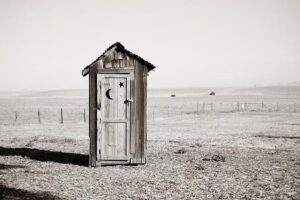
Before modern septic systems, people relied on a mix of outhouses (privies), chamber pots, and rudimentary open drainage. Excreta would either accumulate in deep earthen pits, get collected by manual laborers, or be dumped directly into nearby rivers and streets.The historical timeline of early waste management includes:Outhouses (Privy Vaults): Small shelters built over deep holes in the ground. When a pit filled up, the outhouse was simply moved to a new location.Chamber Pots: Used inside homes, these portable vessels were frequently emptied directly into the streets, gutters, or onto fields.”Night Soil” Men: In more populated towns and cities, specialized workers (called night soil men) would periodically come to empty outhouse vaults and cesspits, carting the waste away to be dumped or used as fertilizer
The septic tank was invented in France in 1860 by Jean-Louis Mouras. Seeking a more hygienic and convenient way to manage household waste, Mouras designed a sealed concrete tank connected to toilets via clay pipes. A decade later, he opened the tank and was amazed to find the solids had naturally broken down, leaving only a thin layer of liquid effluent. He patented the design in 1881, permanently changing the landscape of decentralized wastewater
Modern Maintenance
One significant change for today’s modern septic system owner, is the widespread recognition that regular, routine maintenance is required to keep the system functioning properly. If you own a home with a septic system, you’re probably well aware that your tank requires pumping ever 2-4 years, because routine maintenance keeps your system working properly. During your septic tank cleanout, we’ll also check the area around your tank to make sure your septic system and drainfield are doing their job of safely filtering waste water back into the ground. It might seem like there are a lot of regulations nowadays, but there’s also a lot less cholera! Routine maintenance helps keep your septic system in check, and it ensures safe rivers and streams, and a healthier environment for your family.