

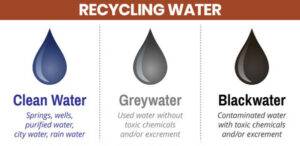
Our GreyMatter helps us think! Think about this for your septic system. Greywater is wastewater from sinks, showers, and laundry. In standard setups, it safely routes into your septic tank, but diverting it to a separate irrigation system can prevent overloading the tank. Always use biodegradable soaps to protect the delicate bacterial balance in your system.
How Greywater Affects Your Septic System
Your septic system relies on a delicate balance of bacteria to break down household waste. While blackwater (toilet waste) introduces solids and heavy pathogens, greywater typically contains fewer solids, but it does introduce soaps, detergents, and chemicals.
- Reduced Load: Greywater accounts for over 50% of your household wastewater. Routing it to a separate system drastically reduces the wear and tear on your primary septic tank and drain field.
- Bacterial Balance: Traditional soaps contain chemicals that can disrupt or kill the good bacteria inside your septic tank. If you send greywater to your septic system, you should stick to eco friendly, biodegradable, and low sodium soaps to avoid long term damage.
- Bleach and Cleaners: Small amounts of household bleach or chemical cleaners typically won’t destroy a healthy septic tank’s bacterial colony. However, excessive use can compromise the breakdown process.
Options for Handling Greywater
You generally have two main approaches to handling your household greywater:
- Send it to the Septic Tank: This is the standard plumbing approach for most traditional homes. All of your wastewater goes to the same location, making it a “set-it-and-forget-it” system. However, you must be very mindful of the chemicals and soaps you use. [1]
- Diverted Greywater System: You can install a separate, smaller diversion system for your sinks and washing machines. This water is filtered and safely piped directly into your yard for non-potable irrigation. Doing this reduces the total volume of water your septic tank must process, which can even help revive a failing drain field. [1, 2, 3, 4]
Local Guidelines and Best Practices
Because greywater policies dictate where untreated wastewater is discharged into the environment, they are highly regulated. What is allowed in one area may be strictly prohibited in another.
- Regulations: Depending on the health codes in your county, you may need a permit to divert greywater for landscaping. Check with the Massachusetts Department of Environmental Protection or your local board of health to understand your local code compliance.
Maintenance: Whether your greywater goes to the septic tank or is used for irrigation, routine maintenance is key. Traditional septic tanks should be pumped every three to five years to prevent sludge buildup and system failures